L@B
Graphic Design 26' Senior Showcase Website
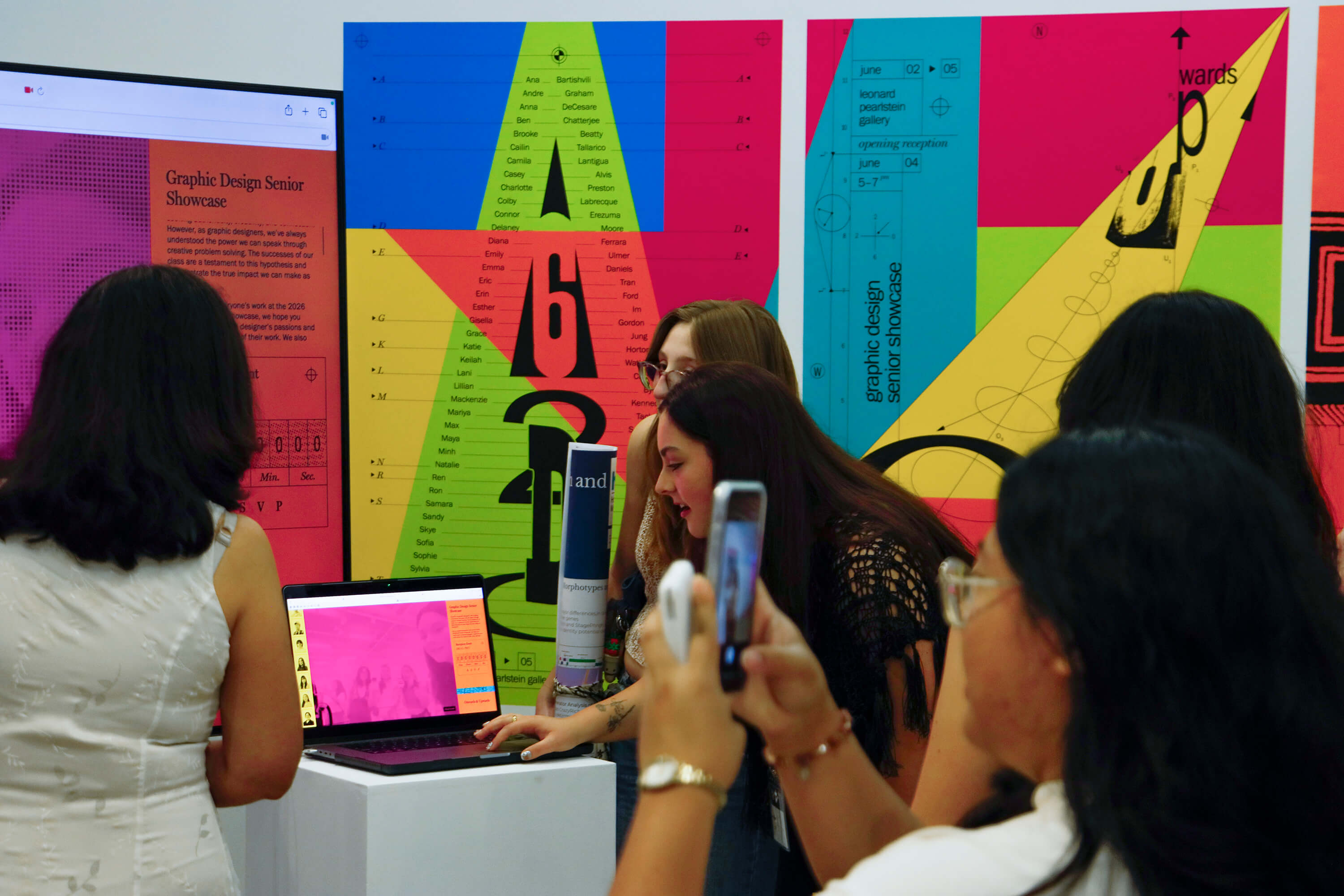
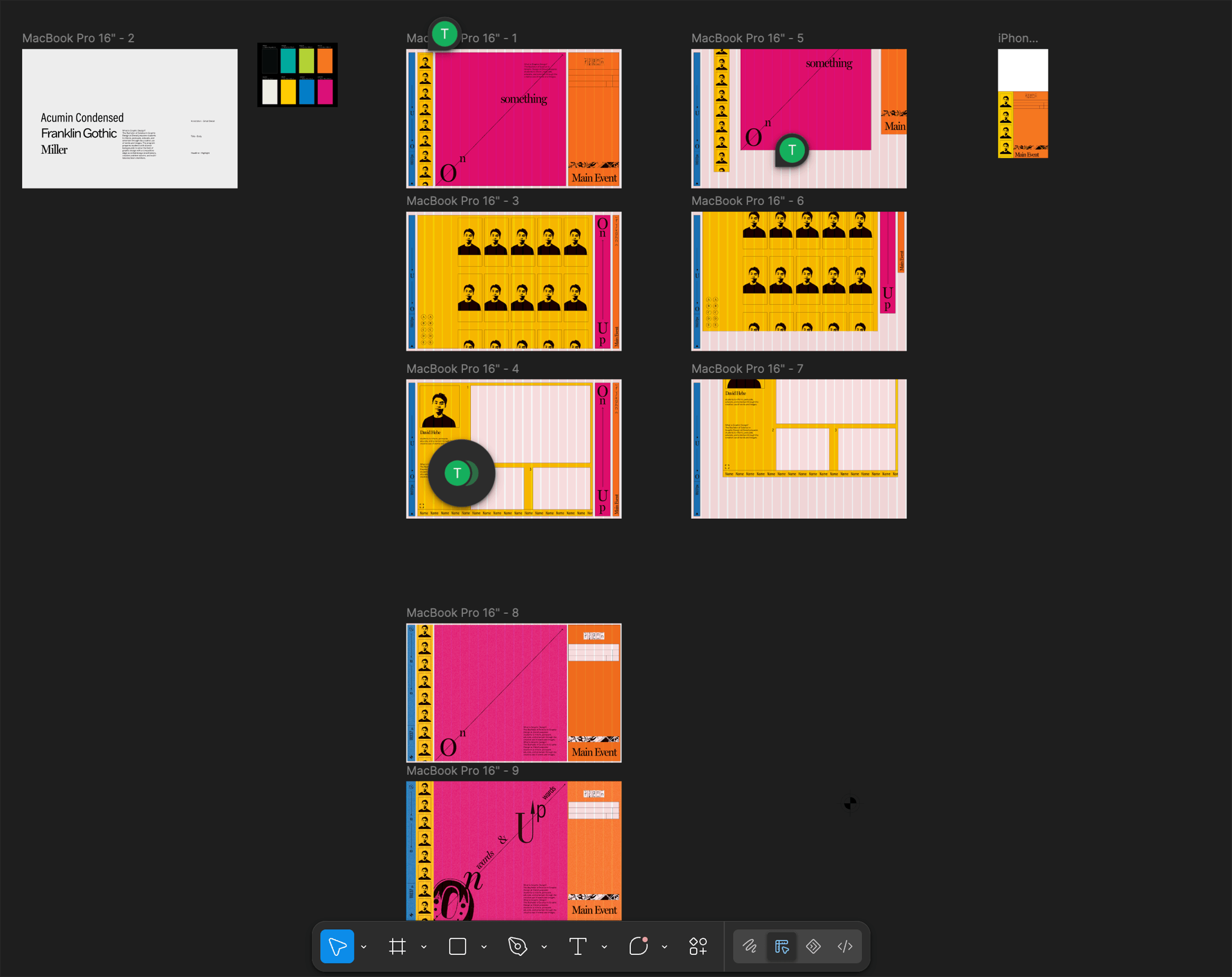
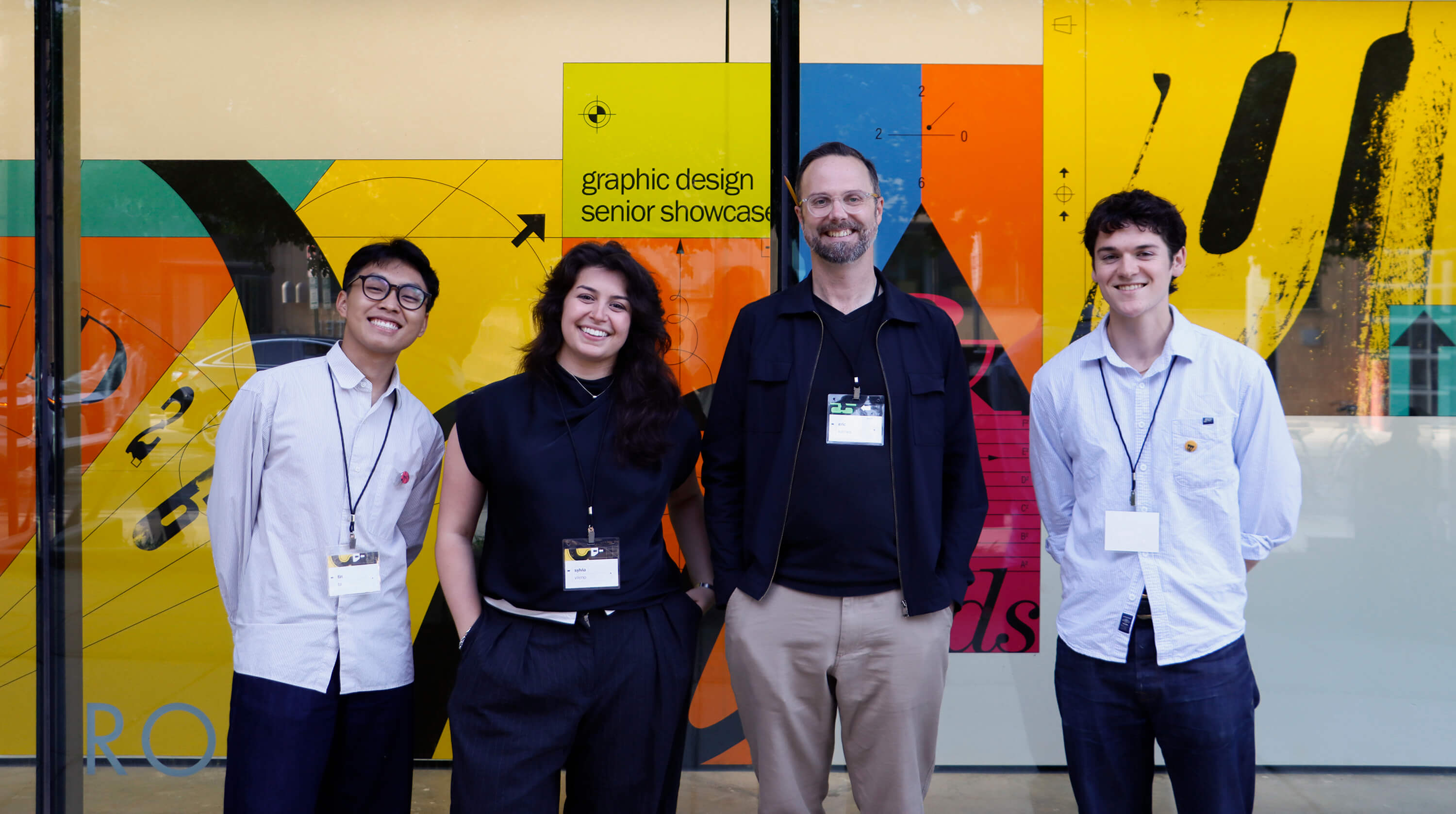
“Onwards & Upwards.” That’s our final message to the Class of 2026. The time right after graduation is full of big changes that can easily overwhelm us. We wanted to keep everyone's spirits up by designing our showcase branding around this exact message - using arrows and moving graphics that always point you forward.
This site is both an archive of our senior profiles and a fun space to experience the show's identity. Feel free to play around with the interactive webcam elements and browse through each of our profiles. Check back soon for our official photo archive and more!
“Onwards & Upwards.” That’s our final message to the Class of 2026. The time right after graduation is full of big changes that can easily overwhelm us. We wanted to keep everyone's spirits up by designing our showcase branding around this exact message - using arrows and moving graphics that always point you forward.
This site is both an archive of our senior profiles and a fun space to experience the show's identity. Feel free to play around with the interactive webcam elements and browse through each of our profiles. Check back soon for our official photo archive and more!
The Wheel of Digital Life
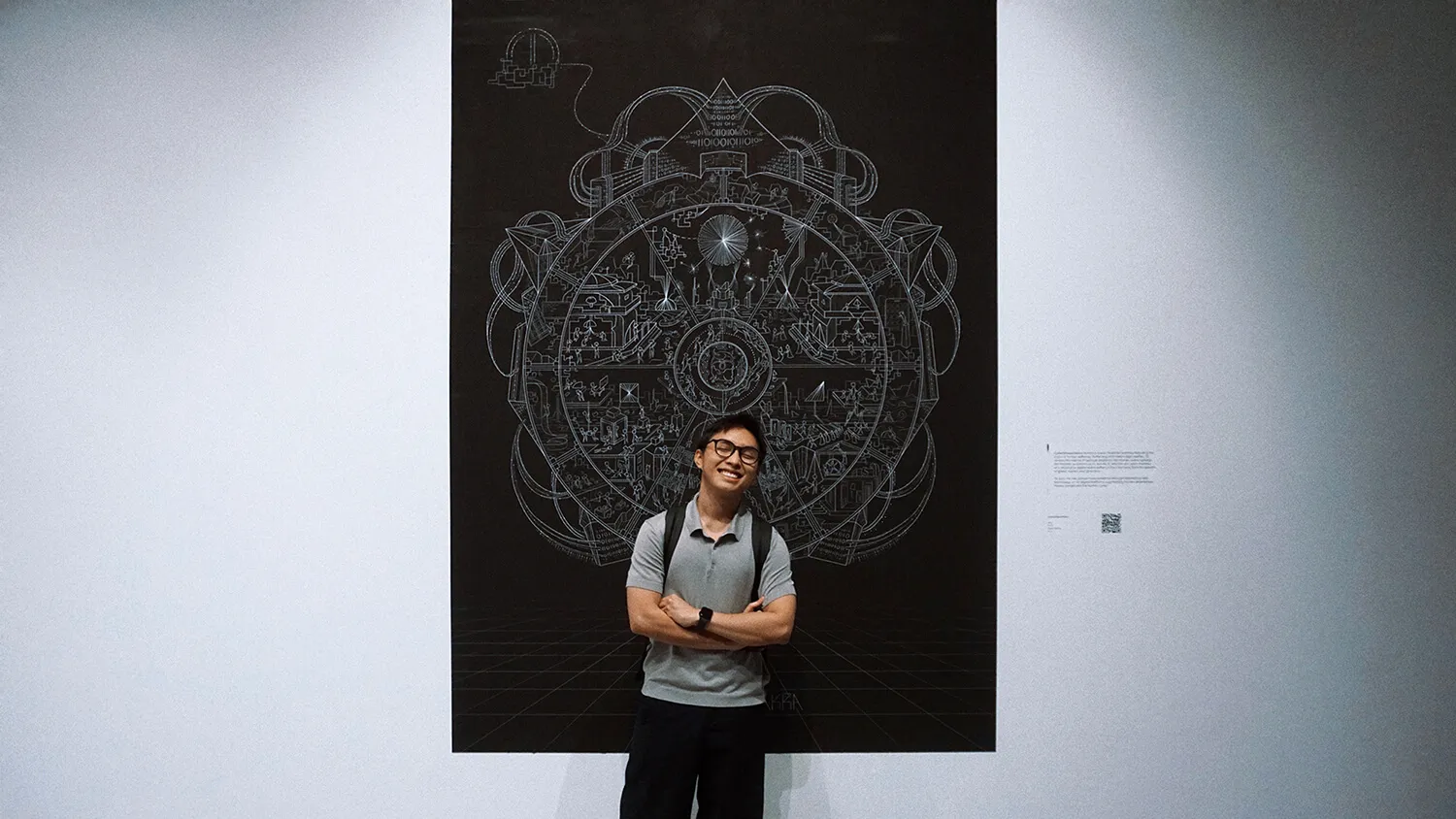
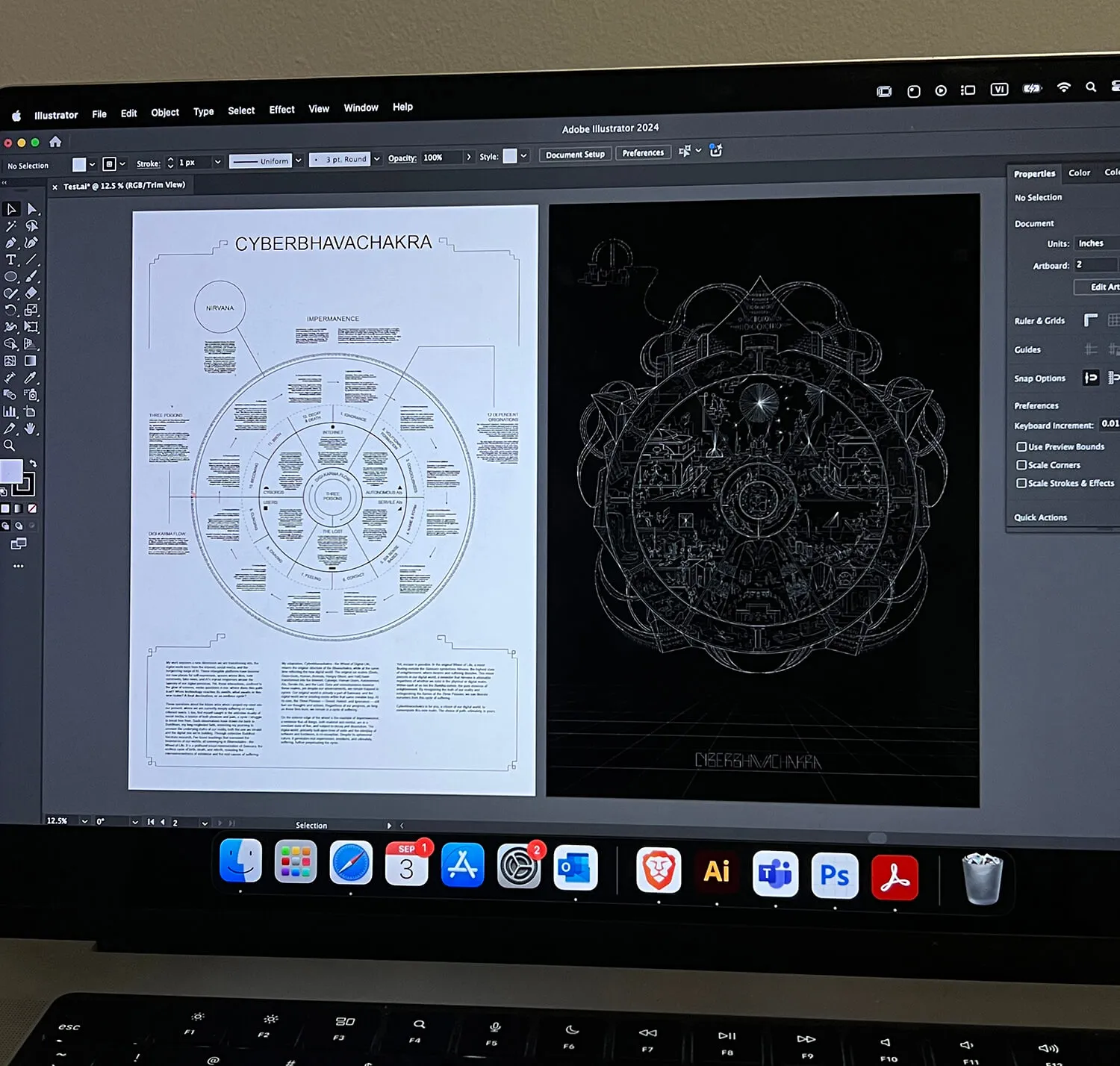
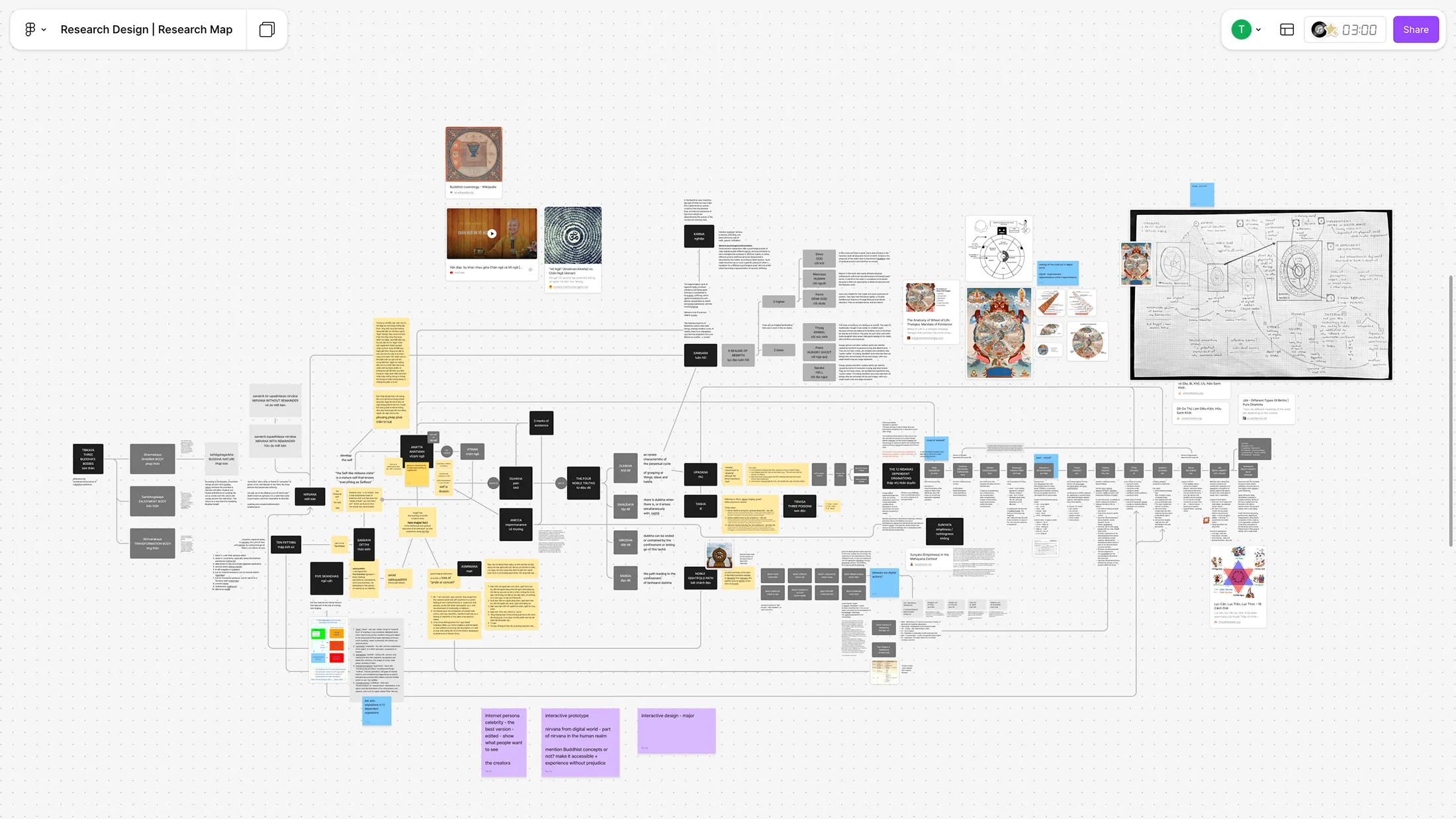
The Cyberbhavachakra project began with a core question in an experimental class I took in 2024: How do humans interact with digital spaces? This resonated deeply because I have long questioned whether our digital interactions perpetuate suffering on a new level—creating a samsara (the endless cycle of birth, death, and rebirth) of feelings within the larger world.
To find my answer, I revisited Buddhist teachings and studied the Bhavachakra, the Wheel of Life. It is a visual representation of Samsara that reveals the interconnectedness of existence and the root causes of suffering. This became the model for investigating the digital world, allowing me to map our digital interactions to the components shown in the original painting. That is how the Cyberbhavachakra, the Wheel of Digital Life, was born. Click on the link to explore the layers of this digital karma model.
The Cyberbhavachakra project began with a core question in an experimental class I took in 2024: How do humans interact with digital spaces? This resonated deeply because I have long questioned whether our digital interactions perpetuate suffering on a new level—creating a samsara (the endless cycle of birth, death, and rebirth) of feelings within the larger world.
To find my answer, I revisited Buddhist teachings and studied the Bhavachakra, the Wheel of Life. It is a visual representation of Samsara that reveals the interconnectedness of existence and the root causes of suffering. This became the model for investigating the digital world, allowing me to map our digital interactions to the components shown in the original painting. That is how the Cyberbhavachakra, the Wheel of Digital Life, was born. Click on the link to explore the layers of this digital karma model.




Healthcare - One of the Four Initiatives at Penn Arts & Sciences
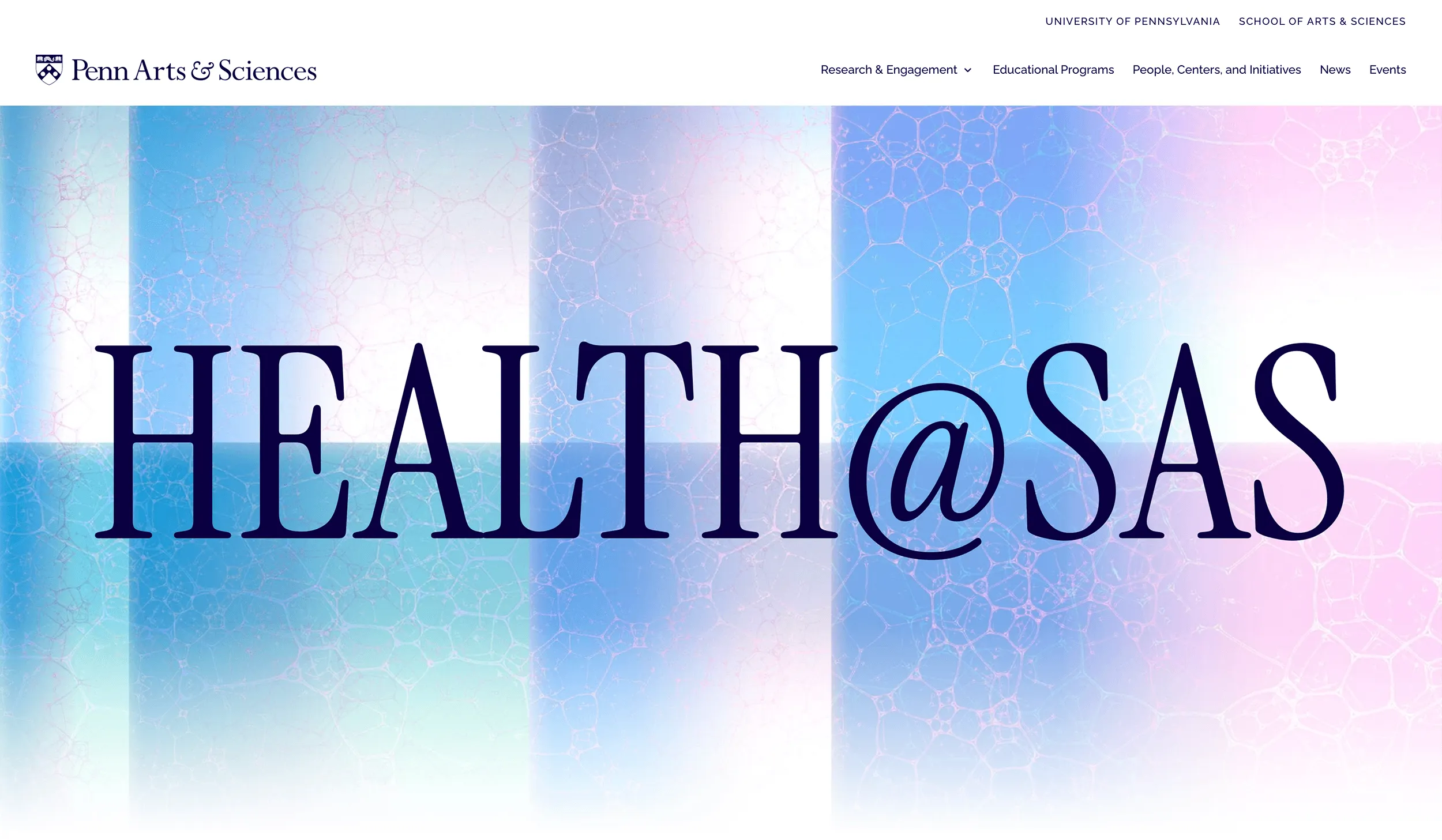
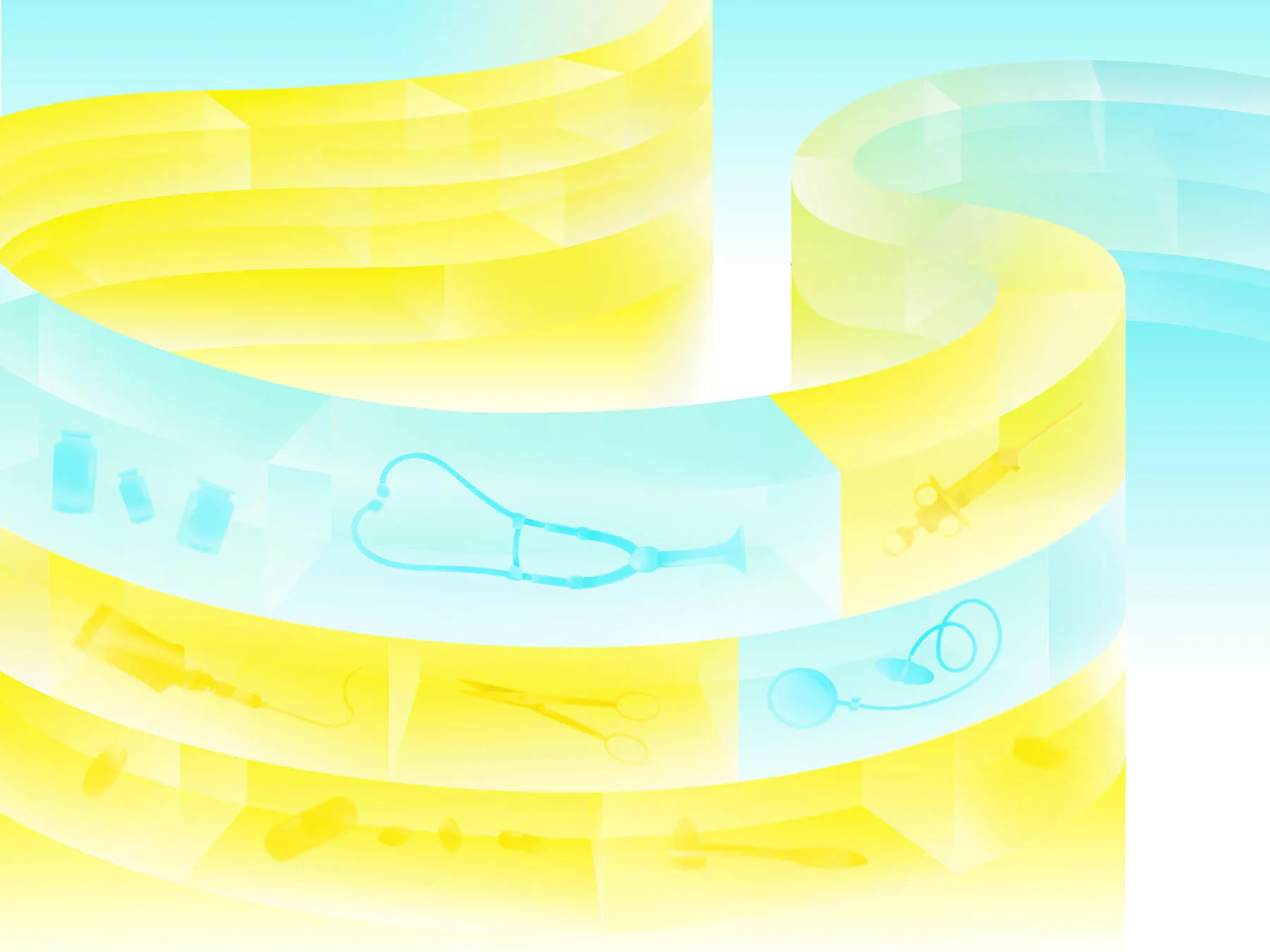
Health@SAS is a web series showcasing research and academic resources at Penn Arts & Sciences. I conceptualized the site with a theme that presents Healthcare as clean and clinical, yet vibrant and healing. This guided the visual system: a light color palette, a glowing gradient, and a humanist typeface, balancing the technical and emotional sides of the field.
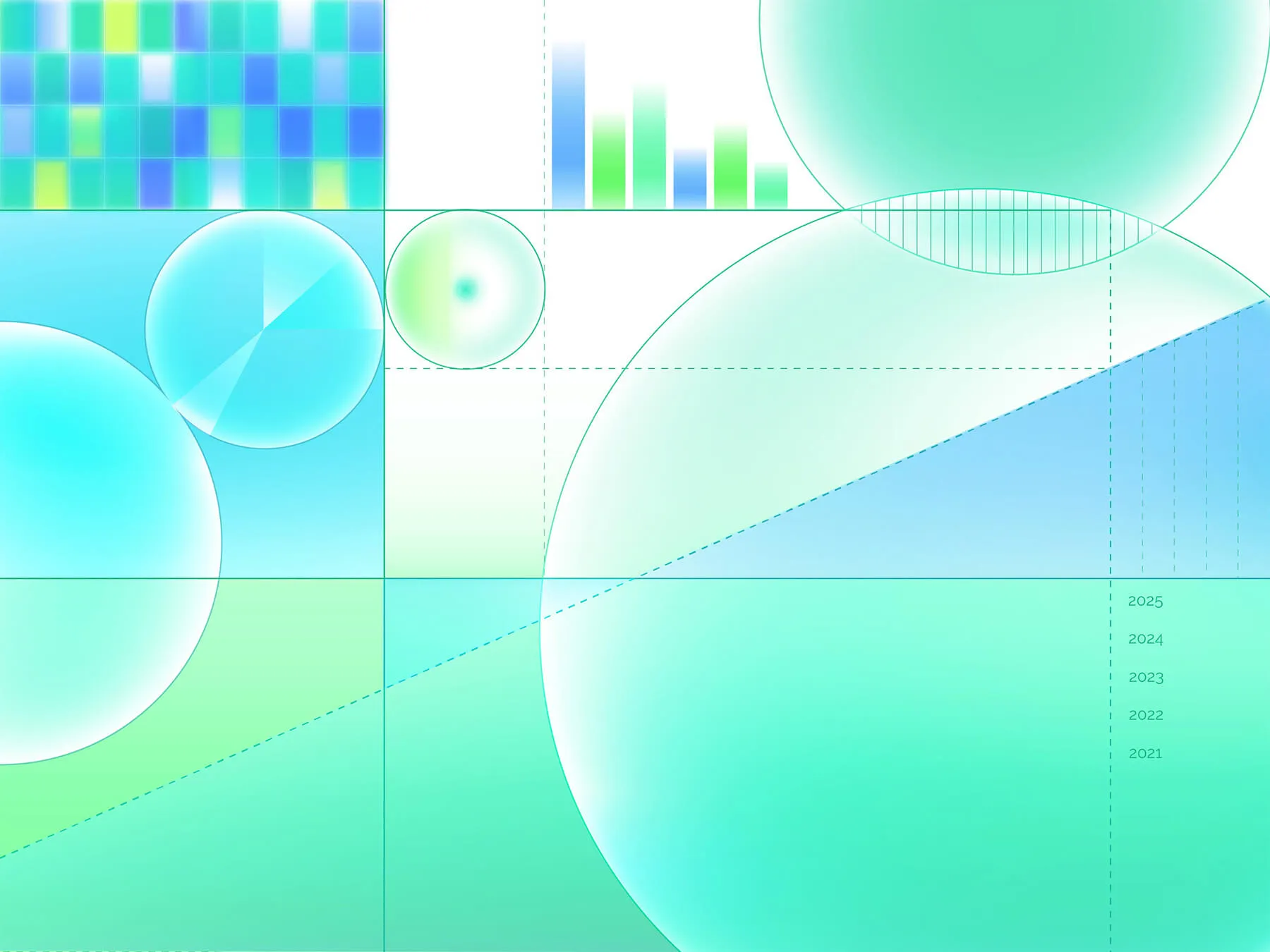
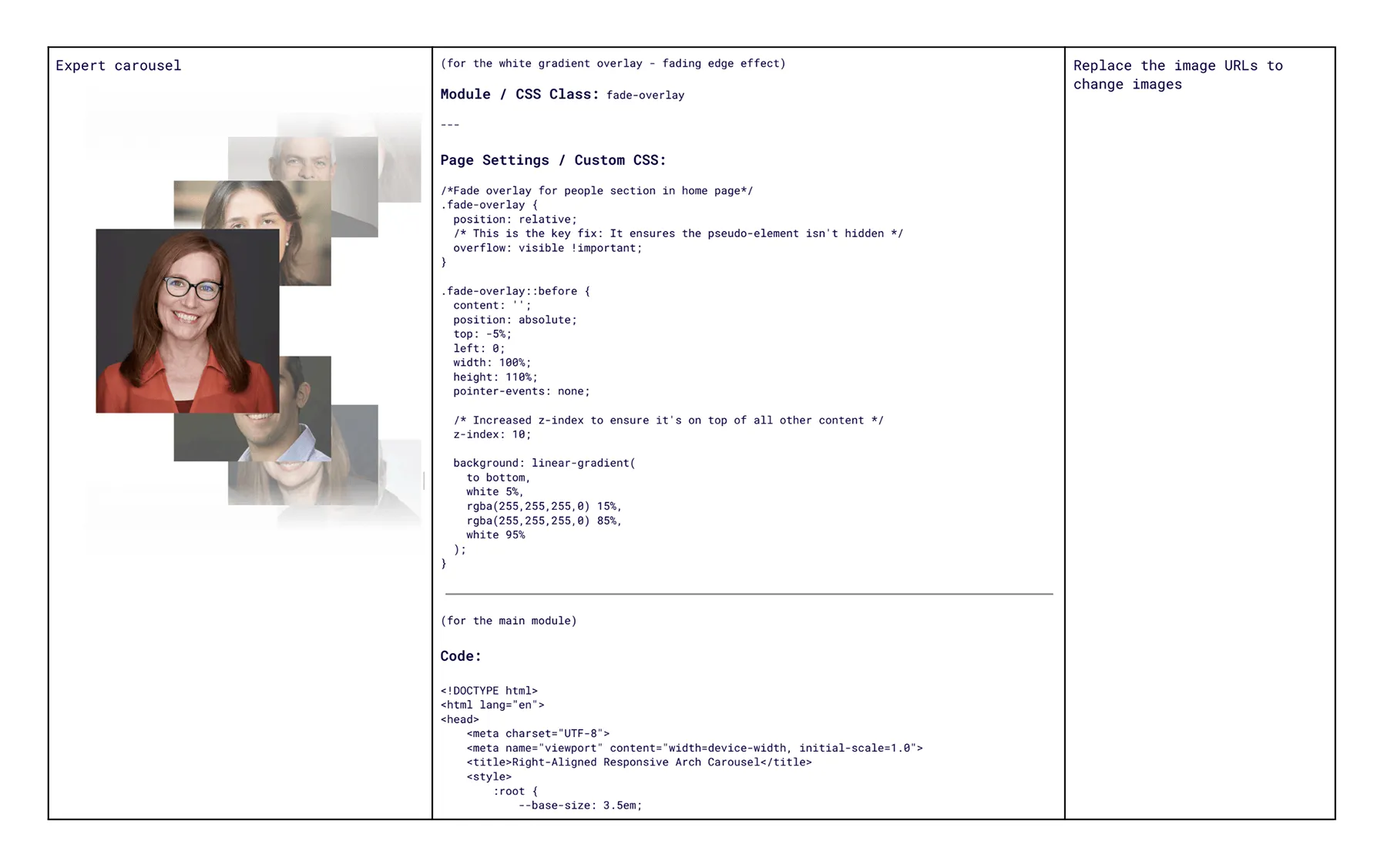
I was also responsible for the website's illustrations. The challenge was conveying six complex, abstract categories. I chose to combine multiple literal images to describe these ideas, ensuring they were visually light but still accurate. The site was built on WordPress with DiviBuilder, which was a steep learning curve. Combining this with my Webflow knowledge, I pushed the boundaries of what I could achieve on WordPress. I experimented with custom code (with assistance from Gemini) to create more dynamic interactive elements and improve responsiveness, establishing a foundation my boss could use for the final site in the series.
Health@SAS is a web series showcasing research and academic resources at Penn Arts & Sciences. I conceptualized the site with a theme that presents Healthcare as clean and clinical, yet vibrant and healing. This guided the visual system: a light color palette, a glowing gradient, and a humanist typeface, balancing the technical and emotional sides of the field.
I was also responsible for the website's illustrations. The challenge was conveying six complex, abstract categories. I chose to combine multiple literal images to describe these ideas, ensuring they were visually light but still accurate. The site was built on WordPress with DiviBuilder, which was a steep learning curve. Combining this with my Webflow knowledge, I pushed the boundaries of what I could achieve on WordPress. I experimented with custom code (with assistance from Gemini) to create more dynamic interactive elements and improve responsiveness, establishing a foundation my boss could use for the final site in the series.
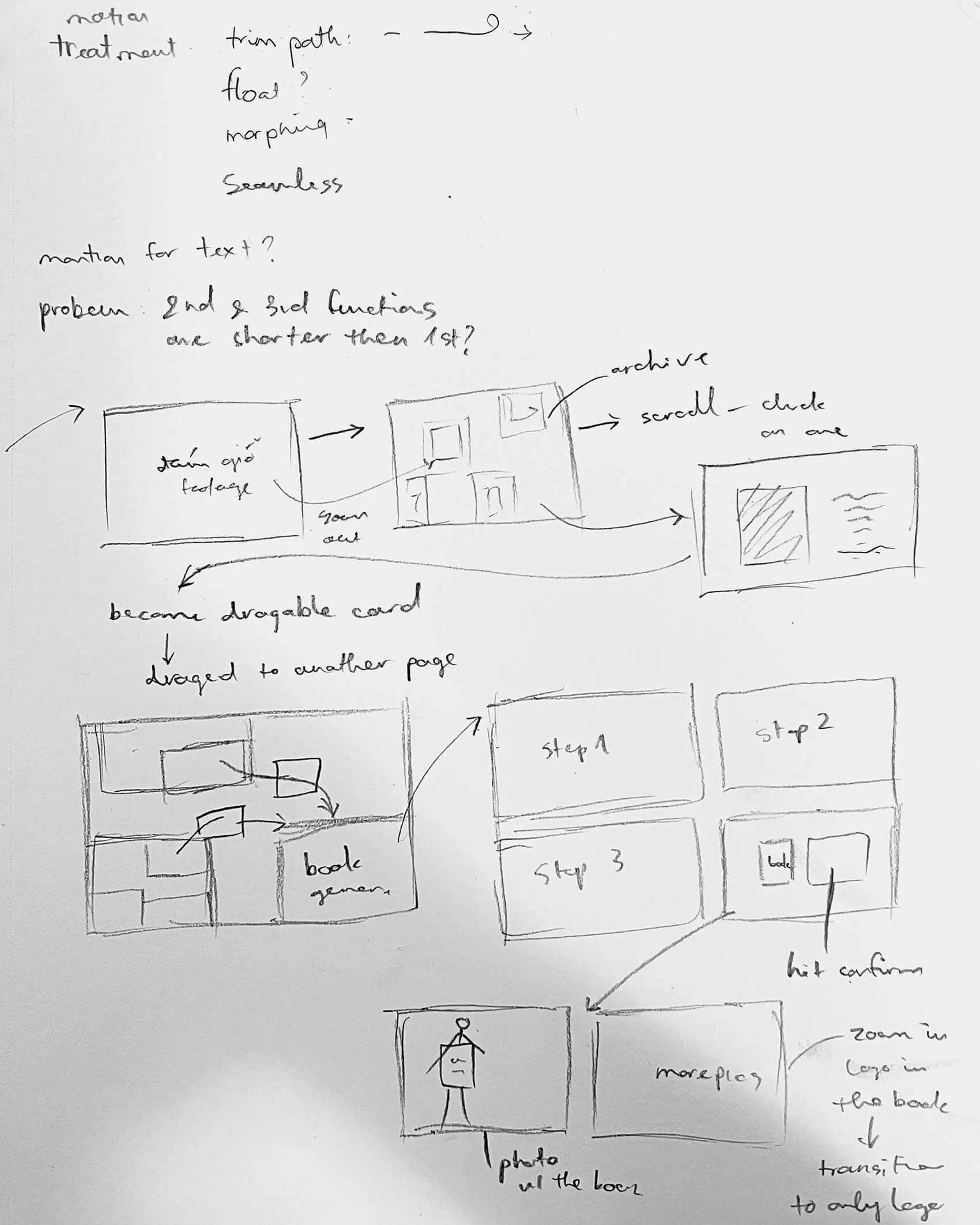
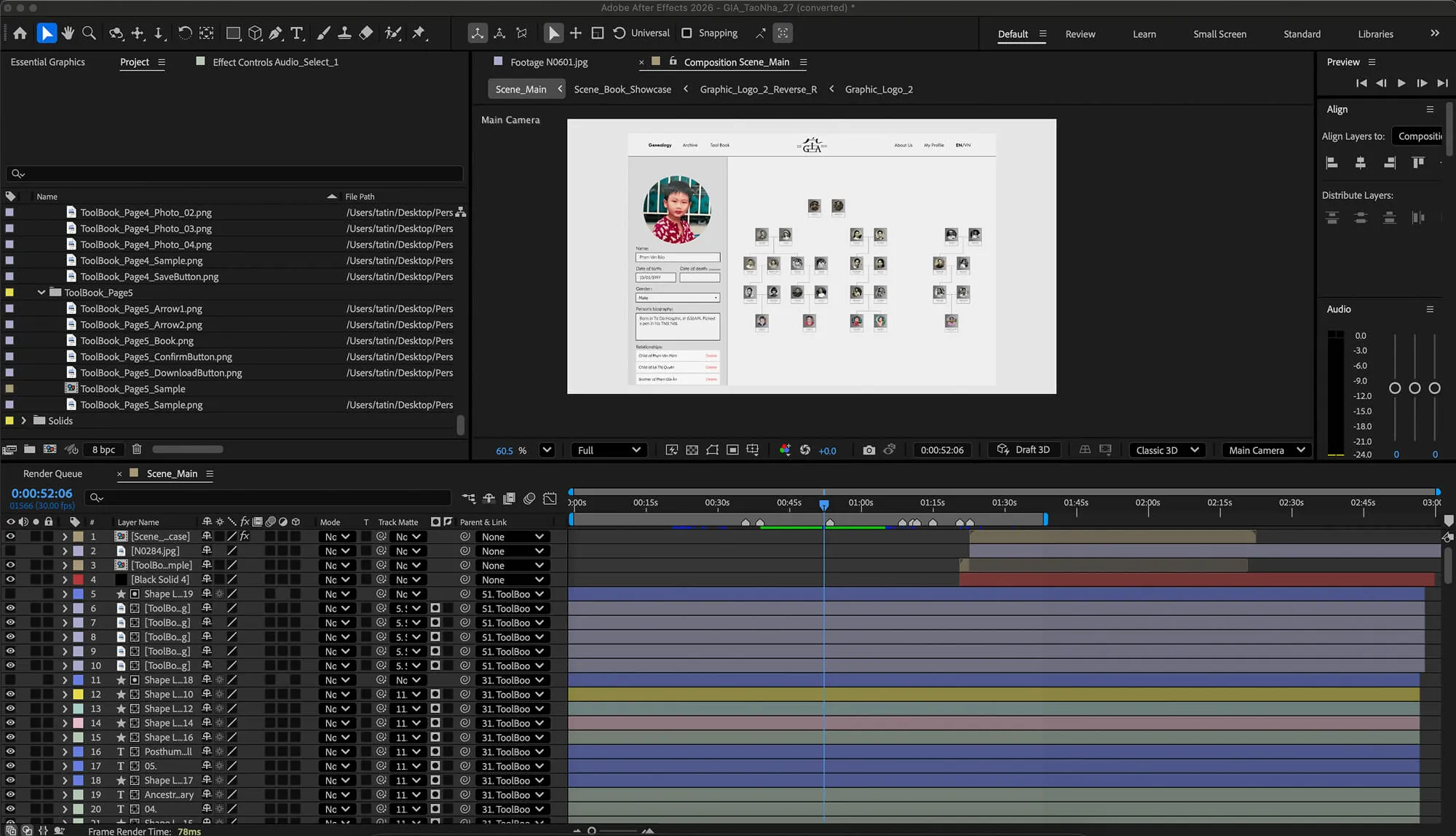
Motion Reel for GIA, a digital tool to archive a family’s heritage
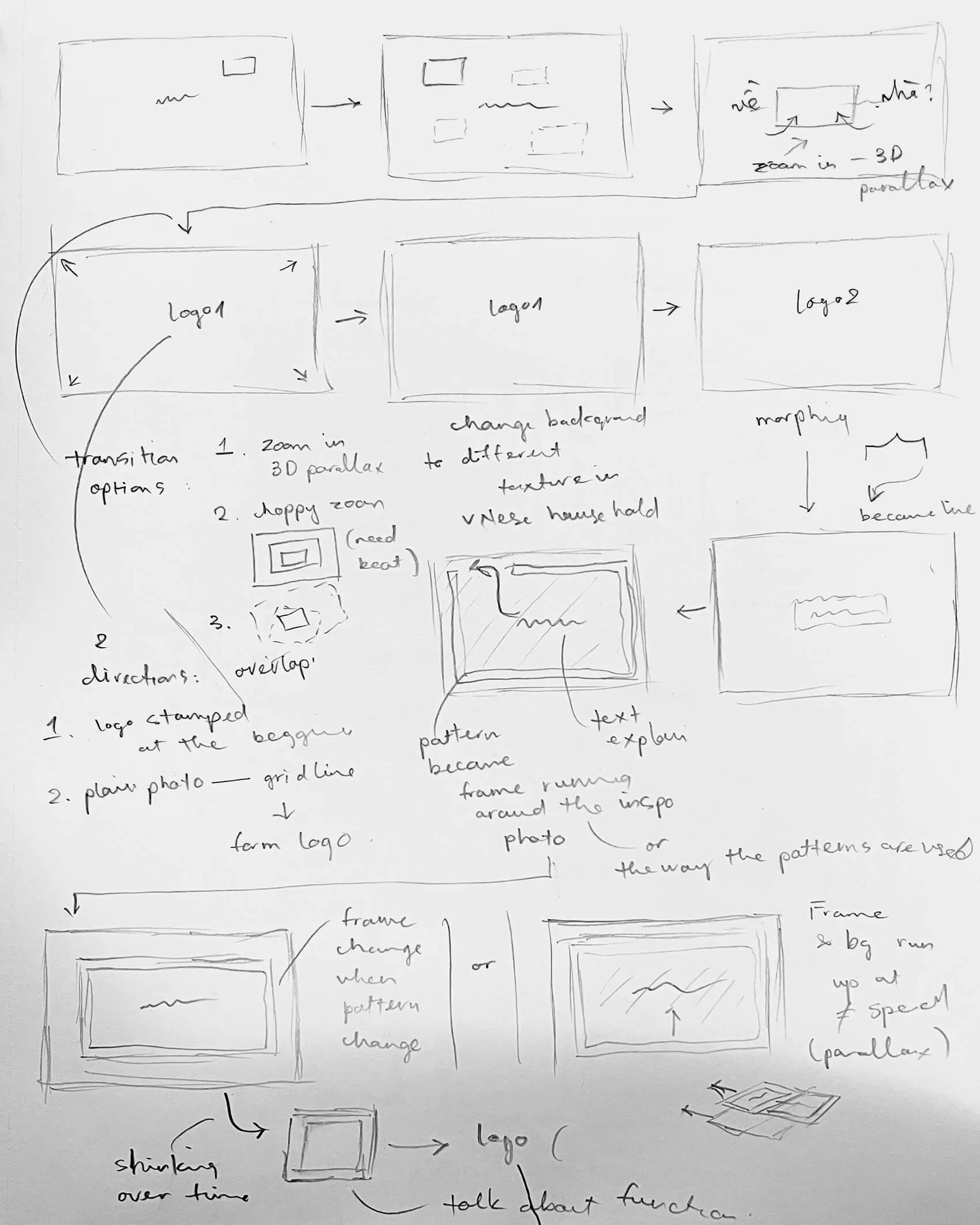
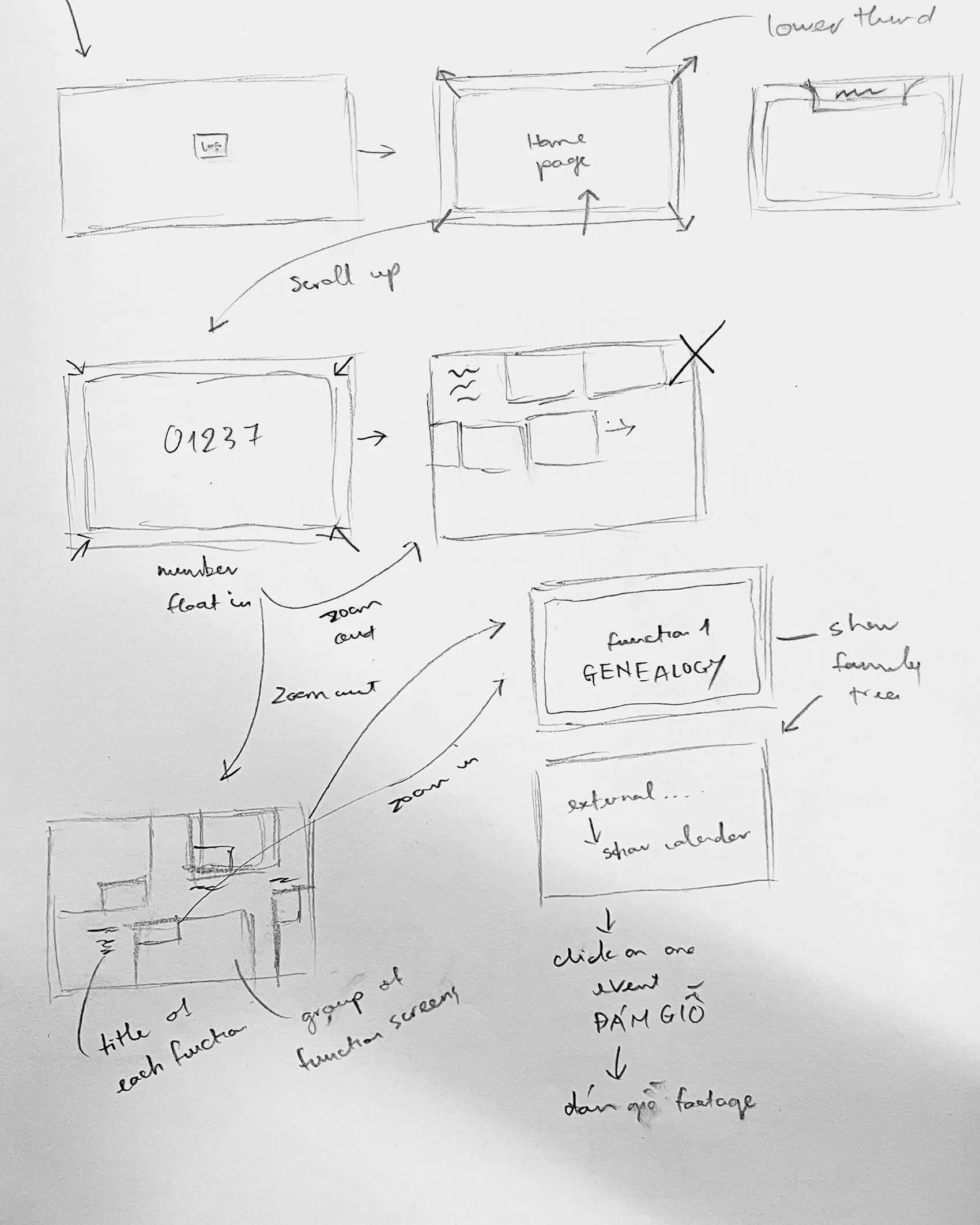
This motion reel was part of a larger capstone project by my friend, Tao Nhã, back in Vietnam. I led the entire reel process end-to-end, including planning, storyboarding, music curation, and compositing. Recreating Figma designs into motion elements on After Effects was a rewarding learning experience. The project is featured on Behance, and I was proud to contribute movement to this meaningful work.
This motion reel was part of a larger capstone project by my friend, Tao Nhã, back in Vietnam. I led the entire reel process end-to-end, including planning, storyboarding, music curation, and compositing. Recreating Figma designs into motion elements on After Effects was a rewarding learning experience. The project is featured on Behance, and I was proud to contribute movement to this meaningful work.
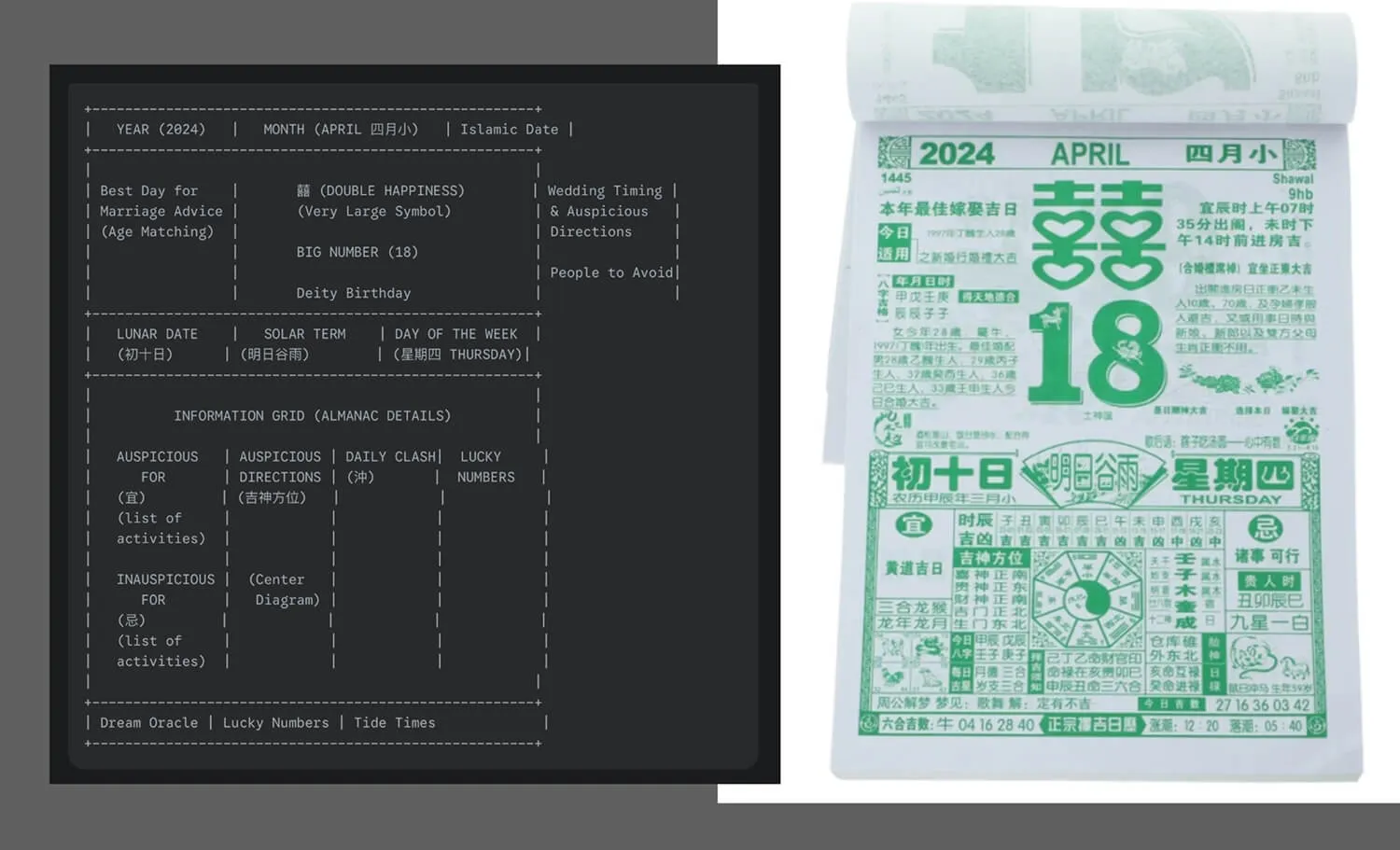
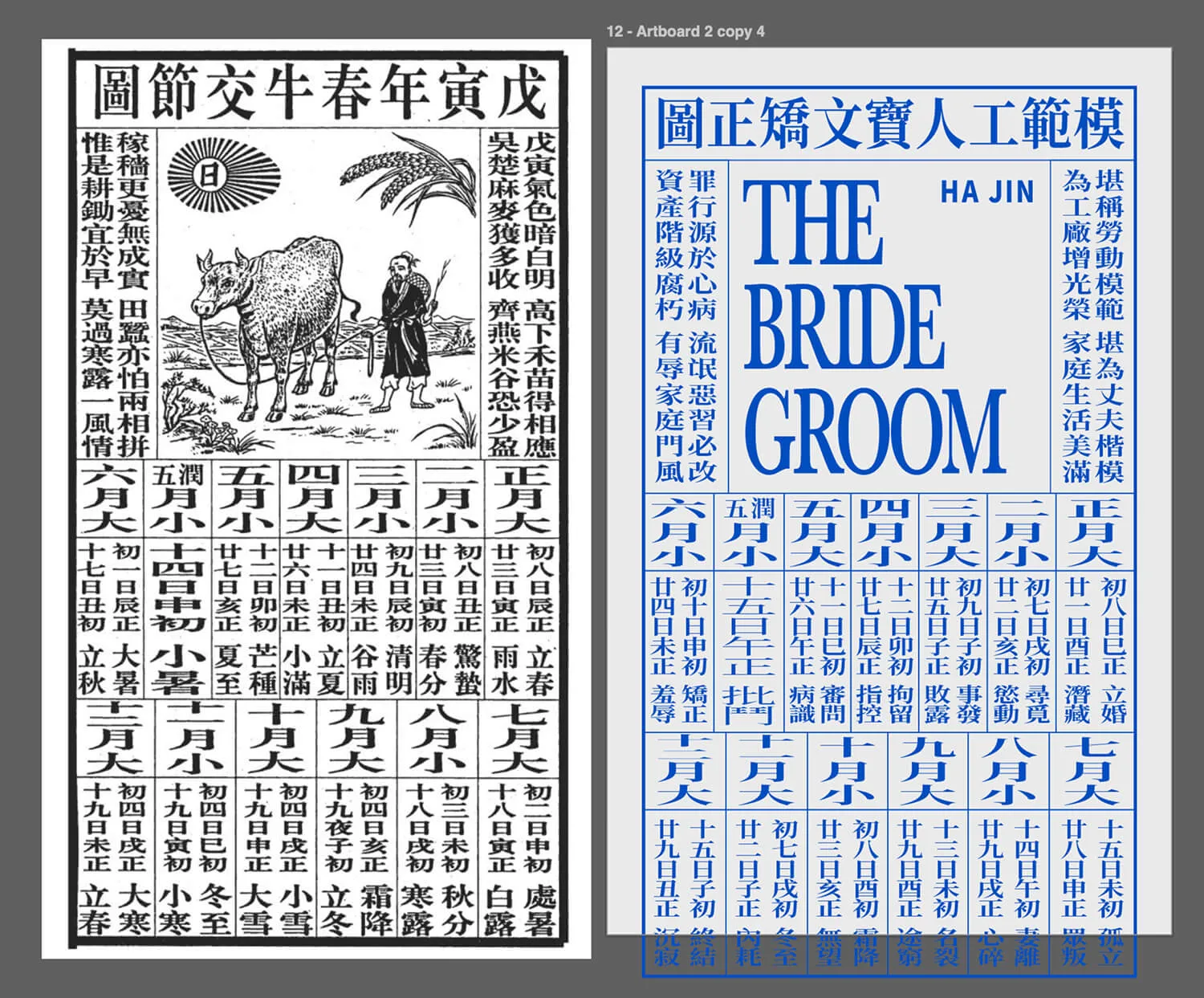
Waiting · The Bridegroom · Wartrash
Book Cover Designs for a Trio of Books by Ha Jin
This book trio covers three distinct eras of change in China. To convey the contemporary feeling of each book to its specific era, I chose to reference everyday Chinese documents as a way to generalize the story, making it relatable to anyone living through those times.
(1) Waiting - Calendar: Set around the Cultural Revolution, where people were stuck between the old and new worlds. The new movement stripped down individuality, making it difficult to make a clear decision, resulting in a loop of waiting—symbolized by countless sheets of calendars.
(2) The Bridegroom - Tung Shu (Chinese Almanac): Takes place during Contemporary China, a time of dramatic social and personal changes and insecurity. Not knowing the country's direction, people couldn't trust their own decisions and often relied on the Tung Shu (Almanac) to seek their fate.
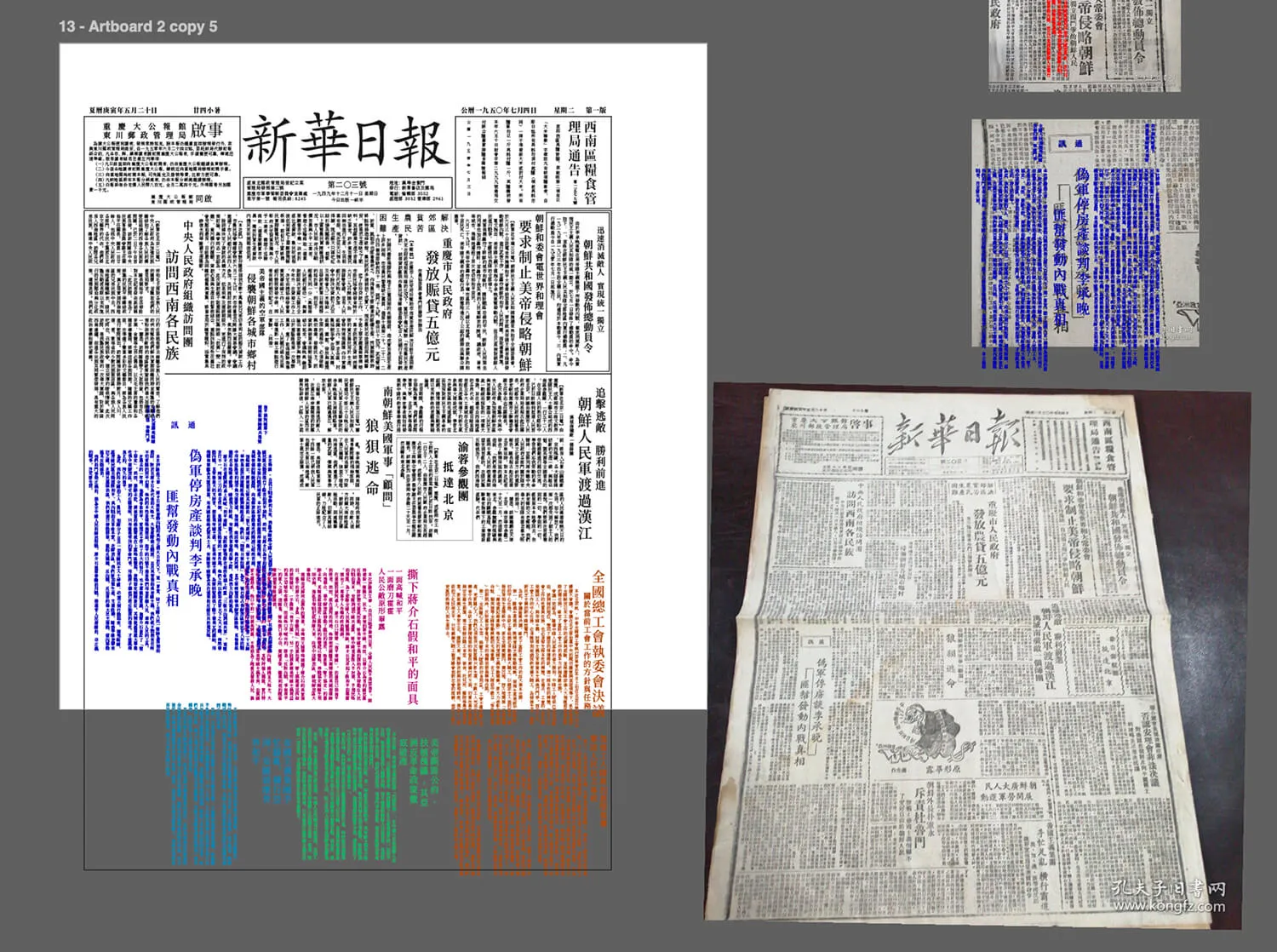
(3) Wartrash - Newspaper: Set during the Korean War, the main character faces public criticism for the tattoo the enemy placed on him. This mirrors how the newspaper continuously updated the public about the war, subjecting everything to public judgment.
This book trio covers three distinct eras of change in China. To convey the contemporary feeling of each book to its specific era, I chose to reference everyday Chinese documents as a way to generalize the story, making it relatable to anyone living through those times.
(1) Waiting - Calendar: Set around the Cultural Revolution, where people were stuck between the old and new worlds. The new movement stripped down individuality, making it difficult to make a clear decision, resulting in a loop of waiting—symbolized by countless sheets of calendars.
(2) The Bridegroom - Tung Shu (Chinese Almanac): Takes place during Contemporary China, a time of dramatic social and personal changes and insecurity. Not knowing the country's direction, people couldn't trust their own decisions and often relied on the Tung Shu (Almanac) to seek their fate.
(3) Wartrash - Newspaper: Set during the Korean War, the main character faces public criticism for the tattoo the enemy placed on him. This mirrors how the newspaper continuously updated the public about the war, subjecting everything to public judgment.
Motion